Three hours on paperwork for every hour with patients
How much time do hospital residents actually spend with patients? A time-and-motion study in Annals of Internal Medicine answered that question with objective observation.
 Dr. Alice Gilson·Doctor & Managing Director 2 min read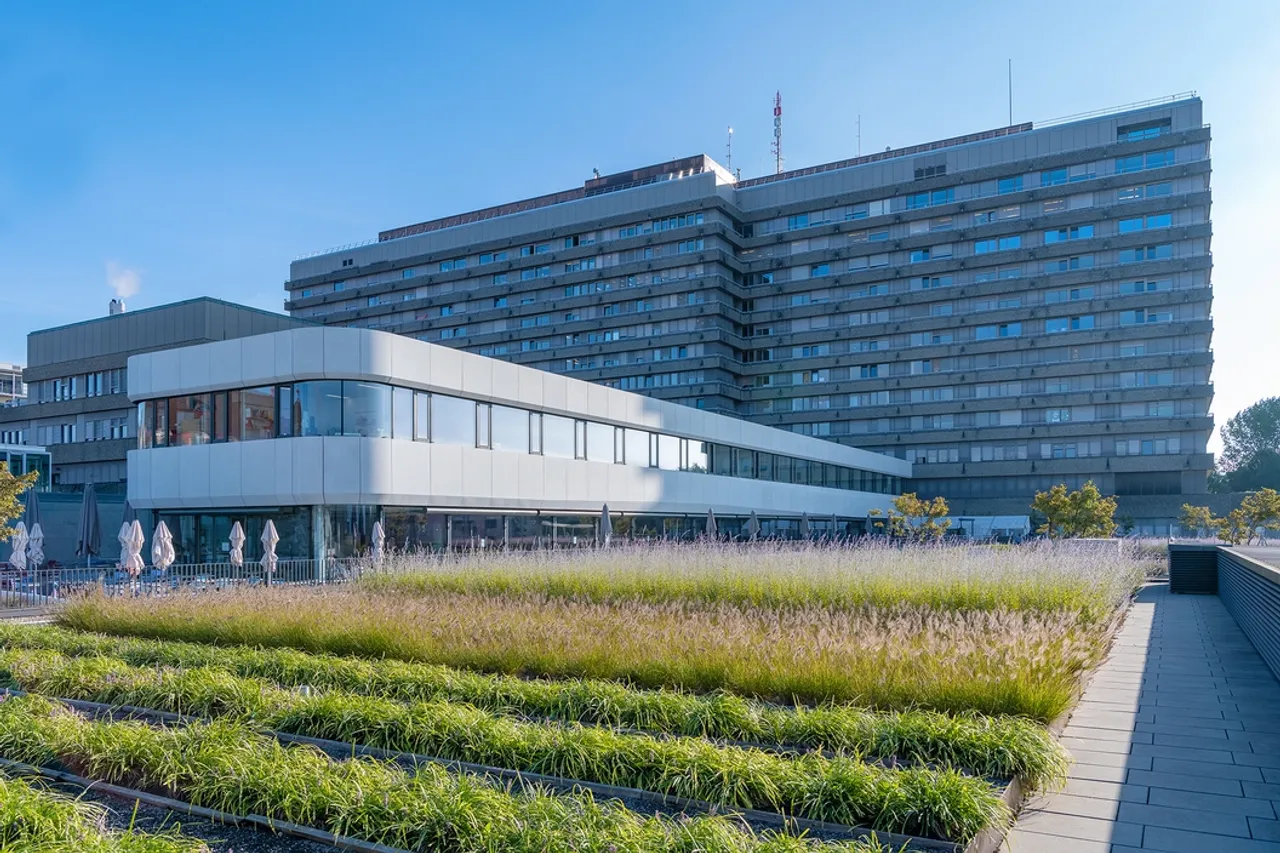
How much time do hospital residents actually spend with patients?
A time-and-motion study published in Annals of Internal Medicine sought to answer that question with objective observation rather than perception. Conducted in a Swiss teaching hospital by Nathalie Wenger, Marie Méan, Julien Castioni and colleagues, the researchers directly followed internal medicine residents during both day and evening shifts to quantify precisely how their time was allocated.
The findings were striking: residents spent an average of 5.2 hours per day on administrative tasks, including documentation, electronic health record management, discharge summaries, and other indirect patient care activities.
By contrast, they spent only 1.7 hours per day in direct contact with patients.
In practical terms, this means residents devoted roughly three times more time to paperwork than to bedside care.
A reflection of modern hospital medicine
This was not based on self-reporting or estimates. Observers recorded activities in real time, providing a detailed and reliable picture of daily workflow. The imbalance was consistent across shifts, suggesting that administrative load is not an occasional burden but a structural feature of contemporary hospital practice.
While documentation and coordination are essential to safe care, the magnitude of time devoted to these tasks raises important questions about medical training. Residency is intended to be a formative period of clinical exposure, decision-making, and patient interaction. Yet the majority of the working day is absorbed by computer-based tasks.
Implications for training and well-being
The study has broader implications. Limited bedside time may affect not only clinical learning but also the quality of doctor-patient relationships. In parallel, the sustained administrative pressure contributes to fatigue and dissatisfaction, factors closely linked to burnout.
Nearly a decade after its publication, the data remain highly relevant. As healthcare systems continue to expand regulatory requirements and digital documentation, the gap between administrative work and direct care remains a defining tension in hospital medicine.
This Swiss study quantified what many residents experience daily: modern training is increasingly shaped not just by patients, but by paperwork.
Source: Annals of Internal Medicine
Related articles

Less time spent on documentation thanks to AI, more time for patient care: what does the scientific evidence say?
In February 2025, a study published in JAMA Network Open added compelling evidence to the growing role of artificial intelligence in addressing clinician burnout and documentation overload.
Physician perspectives on ambient AI scribes
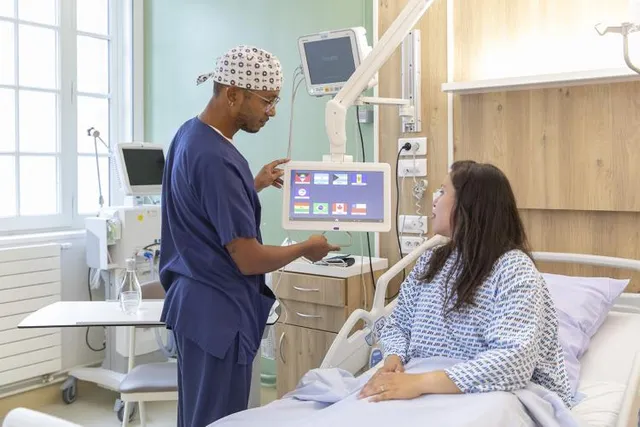
A new qualitative study published in JAMA Network Open explored how frontline physicians perceive the use of ambient artificial intelligence (AI) scribes.
DocNote x Axenita: set up the connection and send reports to the patient file (video)
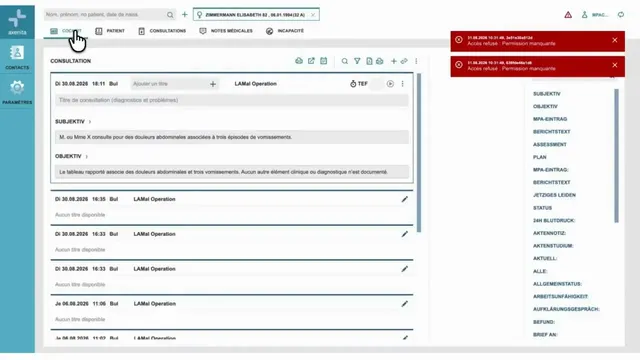
Configure the Axenita web portal and FHIR API client, open DocNote from the patient file, generate a report and send it back into Axenita. Video in French.