Physician perspectives on ambient AI scribes
A new qualitative study published in JAMA Network Open explored how frontline physicians perceive the use of ambient artificial intelligence (AI) scribes.
 Dr. Alice Gilson·Doctor & Managing Director 2 min read
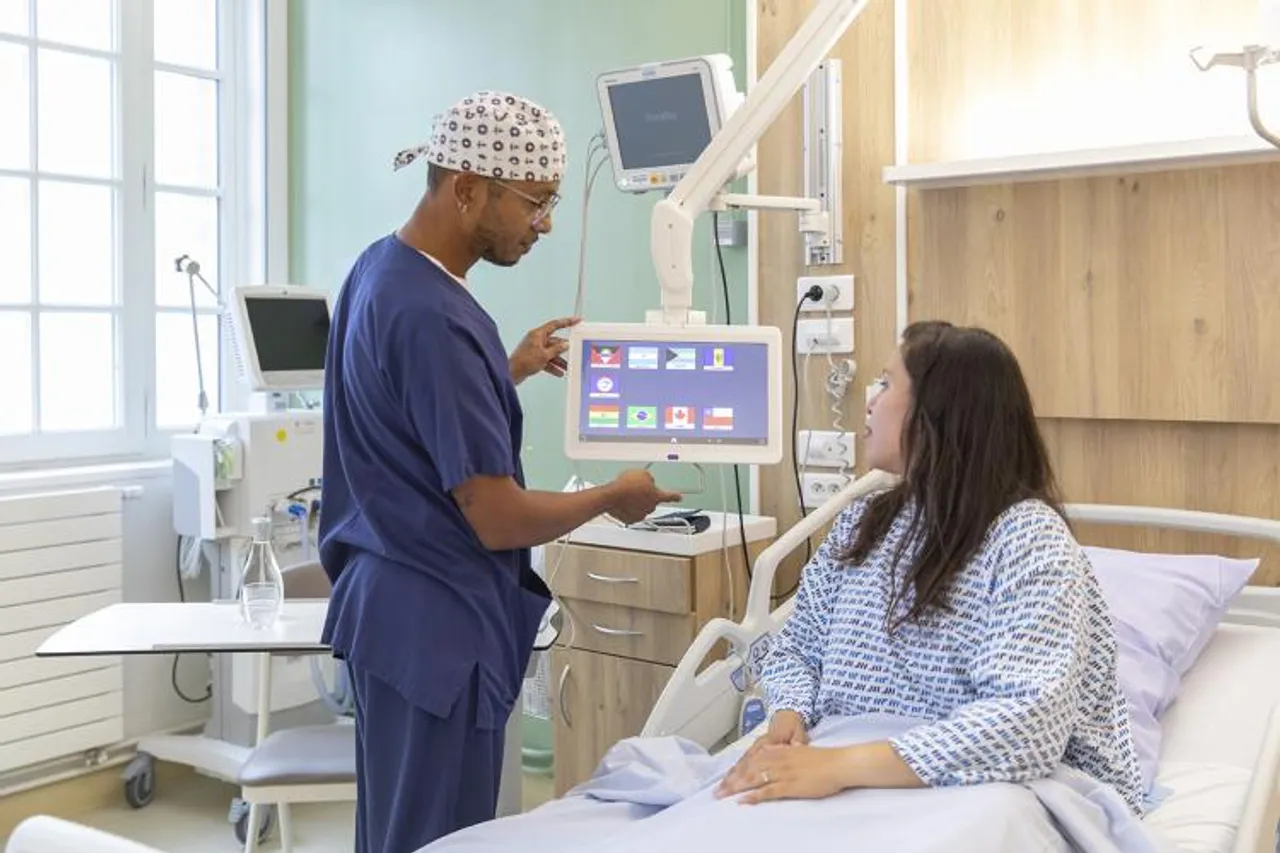
A new qualitative study published in JAMA Network Open explored how frontline physicians perceive the use of ambient artificial intelligence (AI) scribes.
Researchers conducted semistructured interviews with 22 physicians participating in a three-month pilot of an ambient AI scribe across primary care and ambulatory specialties within a health system in California. Interviews were guided by established implementation frameworks to assess usability, impact on workflow, and opportunities for improvement.
Positive impacts on workload and patient engagement
Overall, physicians reported favorable effects on several fronts:
- Reduced cognitive and temporal demand: Many clinicians felt the tool eased the mental load and time pressure associated with documentation.
- Improvements in work-life integration: Several participants noted subjective benefits in balancing clinical duties and after-hours work.
- Enhanced patient engagement: A substantial proportion of comments suggested that clinicians could focus more on patients rather than taking notes.
These perceptions align with broader findings on ambient documentation tools showing potential to reduce administrative burden and support clinician well-being.
Barriers and areas for improvement
Despite overall optimism, the study also identified several barriers:
- Accuracy and editing needs: Physicians frequently mentioned that AI-generated notes often required substantial editing, particularly around note style and length.
- Workflow challenges: Issues such as limited support for non-English consultations and device access were cited as practical obstacles to widespread adoption.
Clinicians offered concrete suggestions for enhancing tool functionality and usability, underscoring that user-centered refinement will be critical for long-term adoption.
A nuanced view of AI in documentation
The study’s findings suggest ambient AI scribes can meaningfully influence physicians’ documentation experiences, potentially reducing burden while encouraging more patient-centered interactions. At the same time, clinicians emphasize the importance of improving accuracy, workflow integration, and inclusivity of these tools as they evolve.
As healthcare systems explore AI-based documentation solutions more broadly, qualitative insights such as these provide valuable perspective on real-world usability, challenges, and clinician priorities, complementary to quantitative research on time savings and efficiency.
Source: JAMA Network Open
Related articles
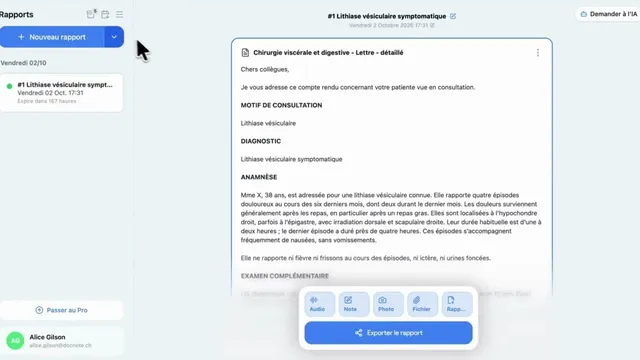
DocNote for medical secretaries: review reports and prepare consultations (video)
One secretary account for several doctors: review and send reports, schedule appointments straight from the day's agenda and prepare patient files. Video in French.
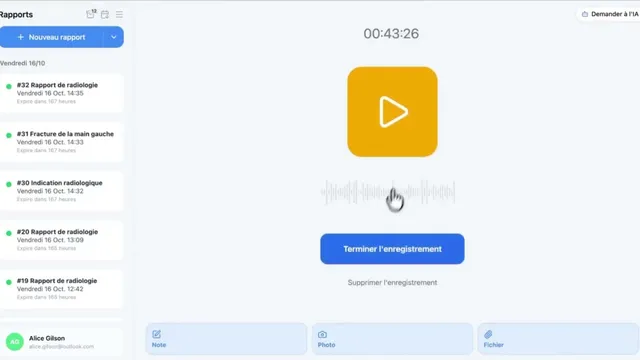
Using DocNote from Axenita: request the connection and send reports to the patient file (video)
Request the Axenita connection from DocNote settings, open DocNote from the patient file, generate your report and add it to the consultation in Axenita. Video in French.
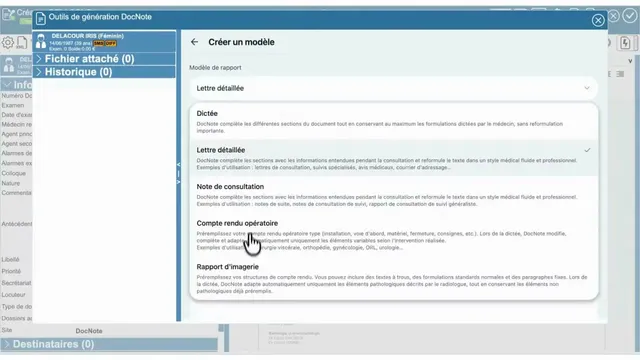
Using DocNote from EDL Xplore for radiology reports (video)
Open DocNote from the EDL Xplore RIS, dictate only what differs from your normal template, and get the full structured radiology report back in EDL. Video in French.